Maryland
Pre-Revolutionary Maryland centered on Annapolis and increasingly on a fast-growing Baltimore, as the colony’s tobacco economy gradually shifted toward the grain trade and shipping.
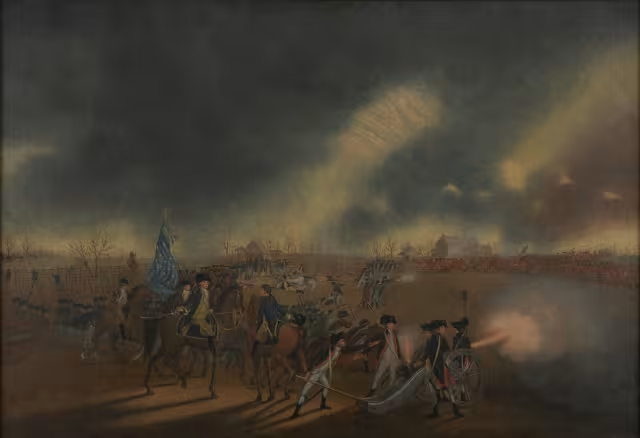
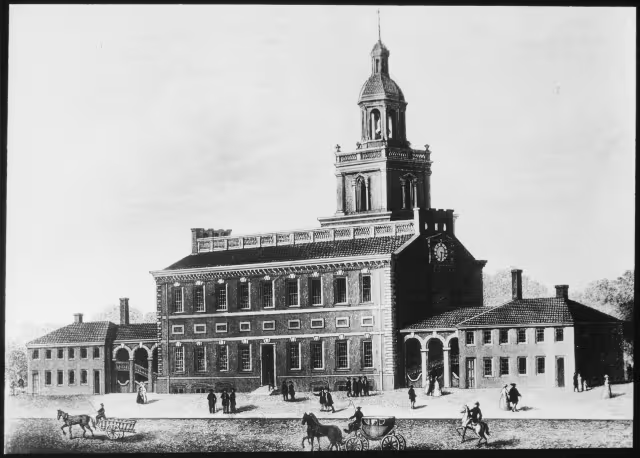
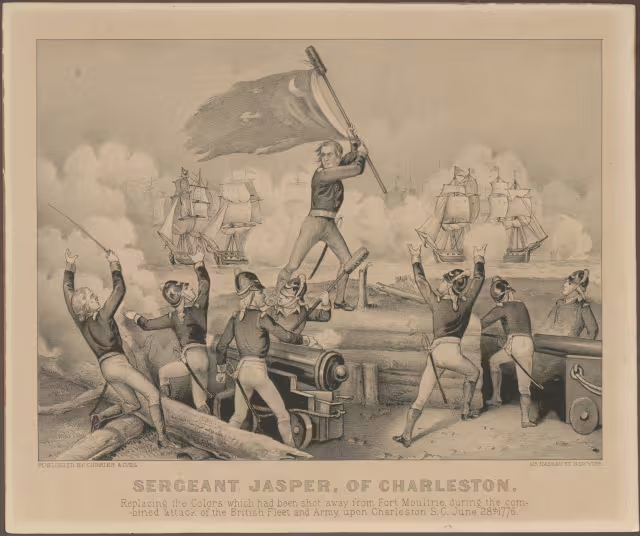
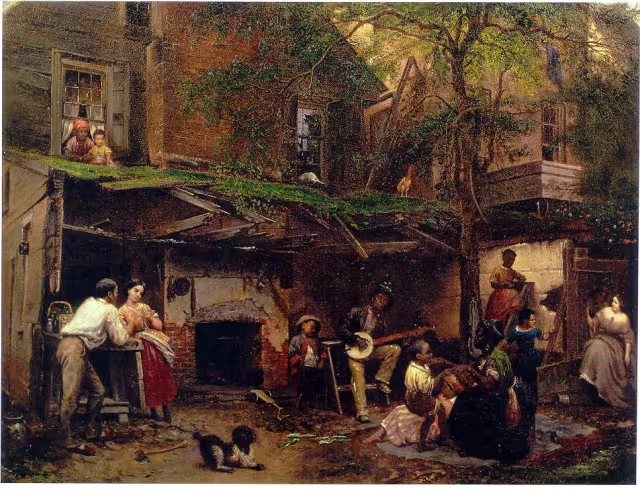
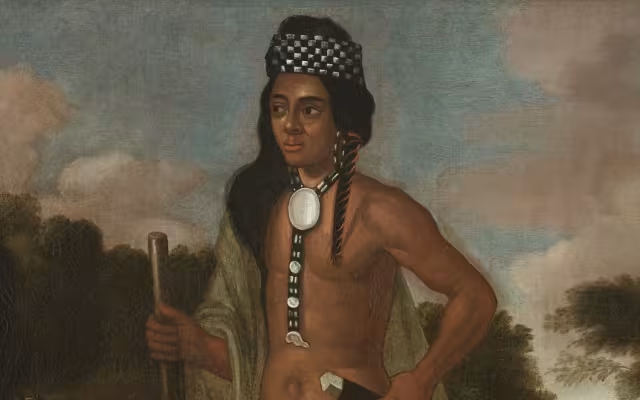
The colony issued its own declaration of independence on July 6, 1776, and later required free men to swear an Oath of Fidelity to the Patriot cause. Its four signers—Charles Carroll, Samuel Chase, William Paca, and Thomas Stone—were among Maryland’s largest enslavers, embodying the Revolution’s central contradiction. Baltimore printer Mary Katharine Goddard risked treason by putting her own name on the first broadside listing all the signers. More than one hundred African Americans served in integrated Maryland units and Indigenous communities like the Piscataway, Pocomoke, and Nanticoke endured on the colony's margins. Maryland’s memory of independence unfolded across generations of public readings, toasts, and commemorations.
- Maryland
African Americans
- Maryland
Native Americans
- Maryland
Politicians
- Maryland
Women